Why MacBook & iPad Multiport Hubs Are Indispensable in 2026 (≈700 words)
Modern MacBook and iPad devices are designed for portability and aesthetics—but their minimal port c...
Modern MacBook and iPad devices are designed for portability and aesthetics—but their minimal port count creates a major productivity gap. The MacBook Air M3 has only two USB-C ports; the iPad Pro has just one. For professionals, content creators, and business users, this scarcity makes multiport hubs not just useful, but essential.
A multiport hub expands a single USB-C or Thunderbolt port into a full connectivity suite: USB-A ports for legacy peripherals, HDMI for external monitors, Gigabit Ethernet for stable wired internet, SD/microSD card readers for photographers, and Power Delivery (PD) pass-through to charge the host device while in use. This single-cable solution transforms a slim laptop into a fully functional workstation, eliminating the need for multiple adapters and messy cable setups.

The demand for MacBook and iPad-specific hubs is booming. Apple’s ecosystem prioritizes performance and stability, so users seek hubs with certified chipsets, robust thermal management, and reliable PD pass-through (ideally 85W–100W for MacBook Pro). Creative professionals—video editors, graphic designers, photographers—require hubs that support dual 4K displays or single 5K/6K output, high-speed data transfer (10Gbps+), and fast card reading. Business travelers value compact, durable hubs that fit in a bag and work reliably across hotels, offices, and client sites.
Not all hubs are created equal. Budget models often share bandwidth across ports, causing slowdowns when multiple devices are used simultaneously. They may also lack overcurrent protection or proper heat dissipation, leading to unstable connections or even damage to the host device. Premium hubs, by contrast, feature dedicated bandwidth lanes, intelligent power management, and aluminum alloy casings for better cooling and durability.
For suppliers, offering a range of MacBook and iPad multiport hubs—from compact 5-in-1 travel models to high-end Thunderbolt 4/5 docking stations—caters to diverse customer needs. Highlight key features: plug-and-play compatibility, 4K@60Hz HDMI, 10Gbps USB-C, and 100W PD pass-through. Emphasize quality certifications and rigorous testing to build trust with B2B buyers and end users alike.
In 2026, as Apple continues refining its silicon and expanding its ecosystem, multiport hubs will remain a top-selling accessory category. For anyone using a MacBook or iPad, the right hub is not just an add-on—it is the key to unlocking full productivity.
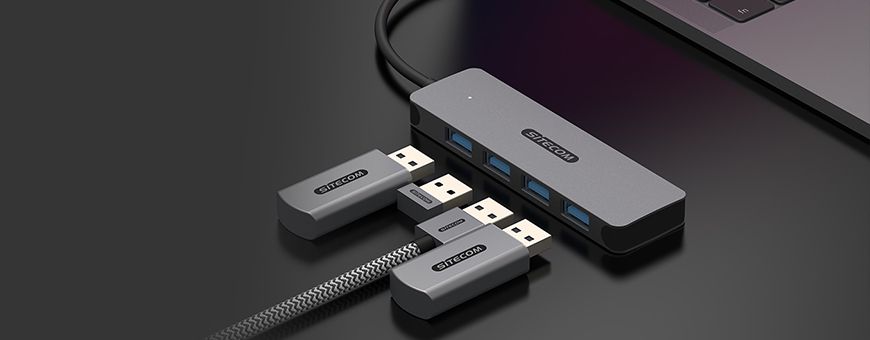


Related products
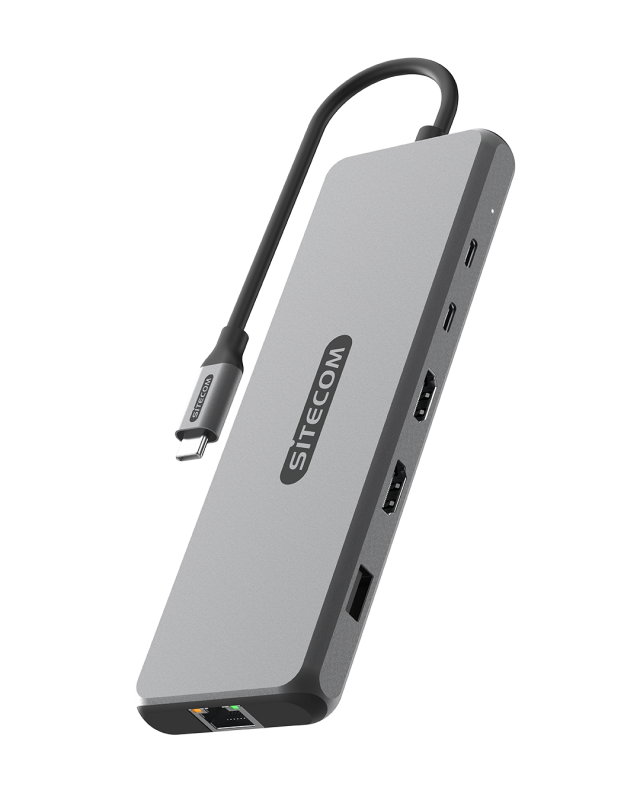
6 in 2 MacBook Pro Multiport Hub Silver
SpecificationDetailsMax. Power Delivery70 WattOutput Power70...
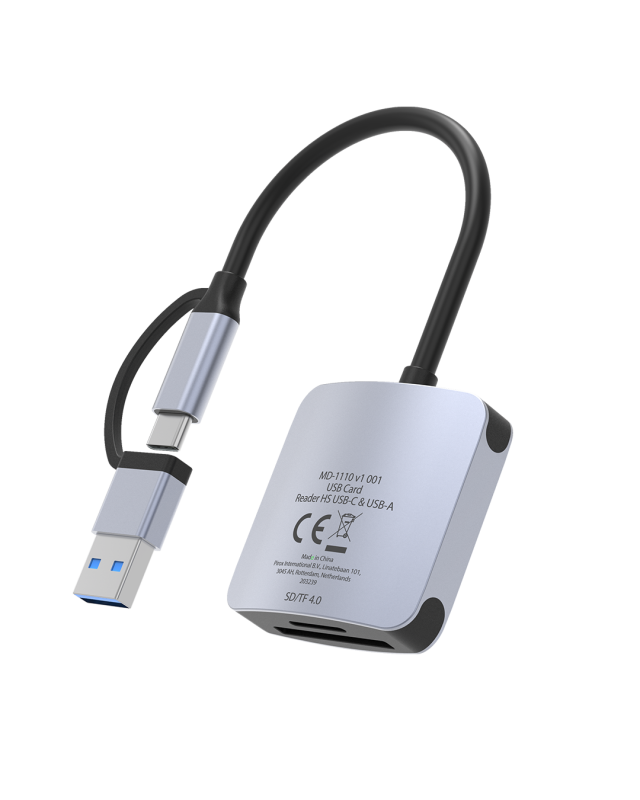
USB Card Reader High Speed USB-C & USB-A
SpecificationDetailsCable length15 cmMax. Card Speed312 MB/s...
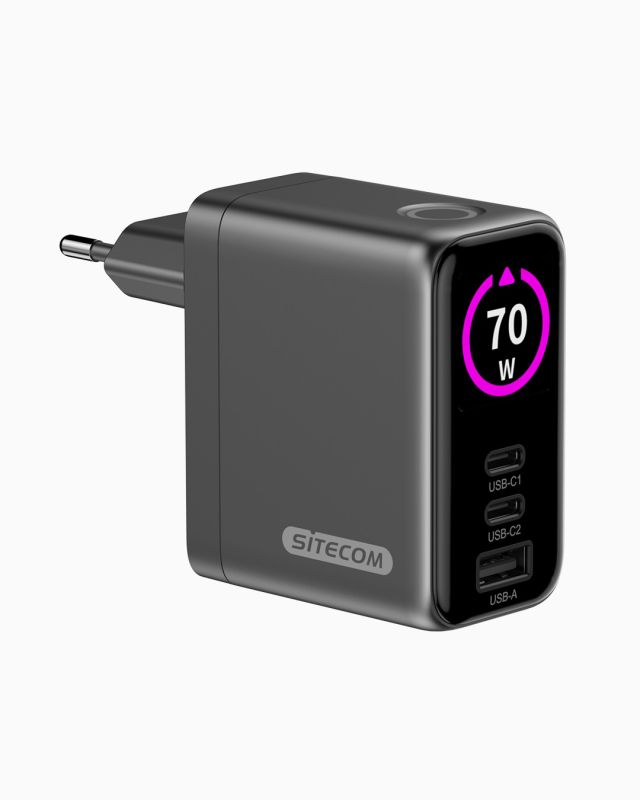
140W GaN Power Delivery Wall Charger with full color LED display
SpecificationDetailsMax. Power Delivery70 WattOutput Power70...