The Rising Demand for USB-C & HDMI Cables in Global Connectivity (≈700 words)
In today’s digital ecosystem, USB and HDMI cables are no longer mere accessories—they are the backbo...
In today’s digital ecosystem, USB and HDMI cables are no longer mere accessories—they are the backbone of modern communication, power transfer, and high-definition display. As devices become slimmer and more powerful, the global appetite for reliable, high-performance cables continues to surge, especially in the consumer electronics, enterprise, and education sectors.
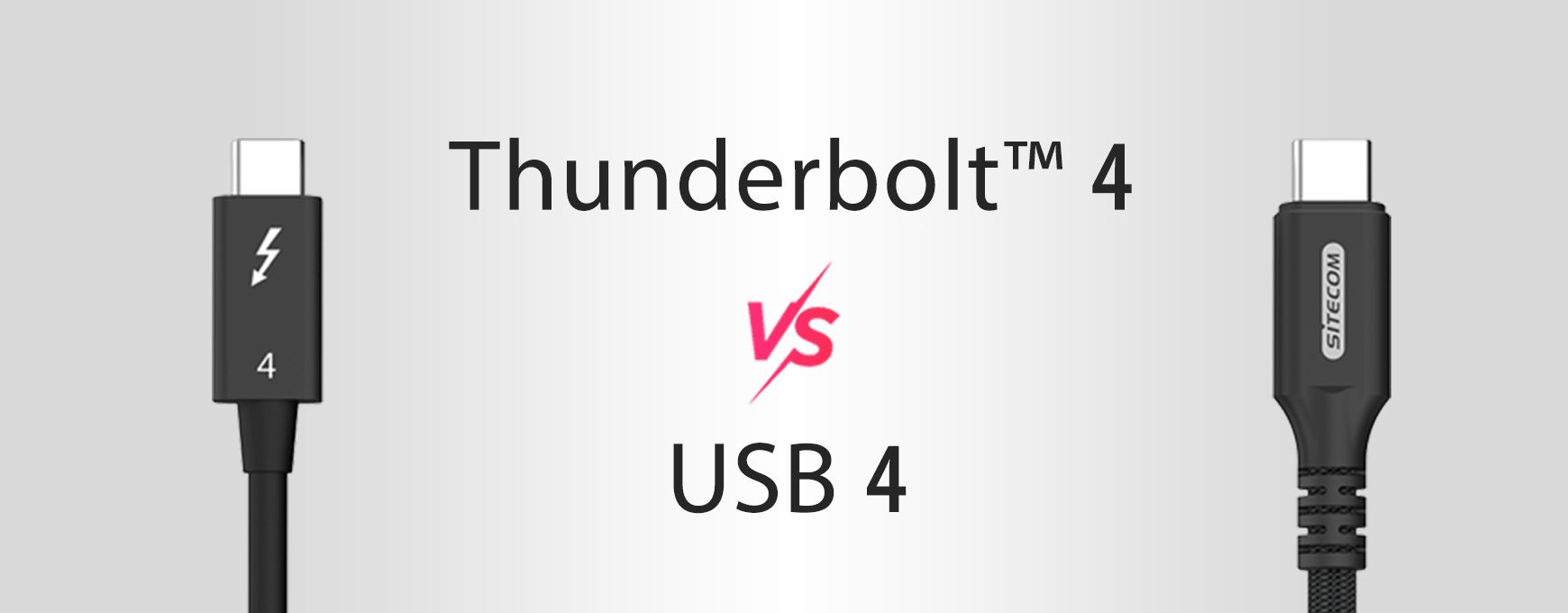
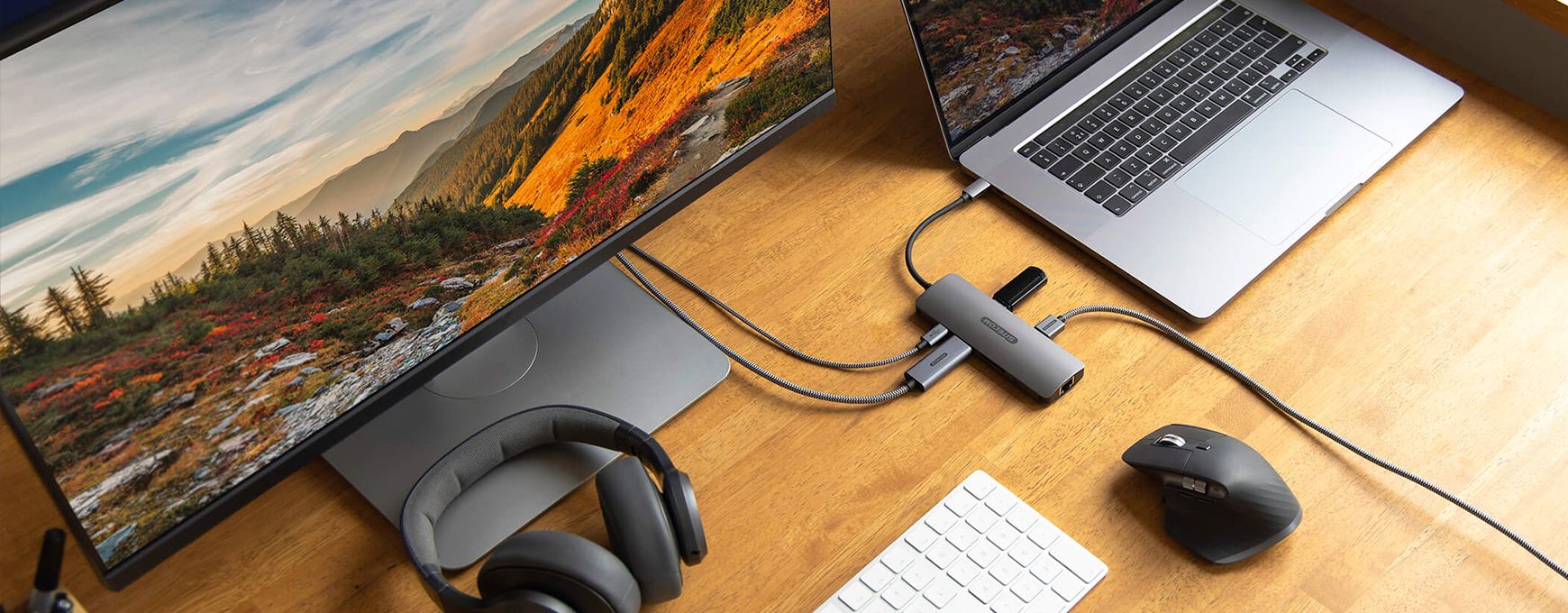
USB-C has emerged as the universal standard, favored for its reversible design, high bandwidth, and multi-functionality. Unlike older USB-A connectors, USB-C can handle data, video, and power delivery (PD) simultaneously, making it ideal for laptops, tablets, smartphones, and even monitors. Meanwhile, HDMI remains the dominant interface for audiovisual transmission, supporting 4K@60Hz and even 8K resolutions in the latest specifications. Together, USB-C and HDMI cables form the essential link between devices, enabling seamless productivity and entertainment.
The market growth is driven by several key trends. First, the widespread adoption of USB-C across Apple, Windows, and Android devices has created a massive replacement cycle. The European Union’s mandate for USB-C on all consumer electronics has further accelerated global standardization. Second, the rise of remote work and video conferencing has increased demand for stable, high-speed connections between laptops, monitors, and peripherals. Third, consumers now prioritize durability and performance—cables with braided nylon, gold-plated connectors, and E-Marker chips for intelligent power management are in high demand.
For businesses and resellers, this represents a significant opportunity. A comprehensive cable portfolio—including USB-A, USB-C, USB-C to HDMI, and high-speed HDMI 2.1 cables—ensures compatibility across all devices and use cases. Quality control is critical: certified cables reduce signal loss, heat issues, and compatibility complaints, enhancing customer satisfaction and brand loyalty.
Looking ahead, the USB/HDMI cable market will continue evolving with advancements like USB4 Gen 2×2 (20Gbps) and Thunderbolt 5 (80Gbps). As devices grow more powerful, the need for cables that can keep pace will only increase. For any electronics supplier, a strong cable lineup is not just a product category—it is a foundation for success in the global connectivity market.
Related products
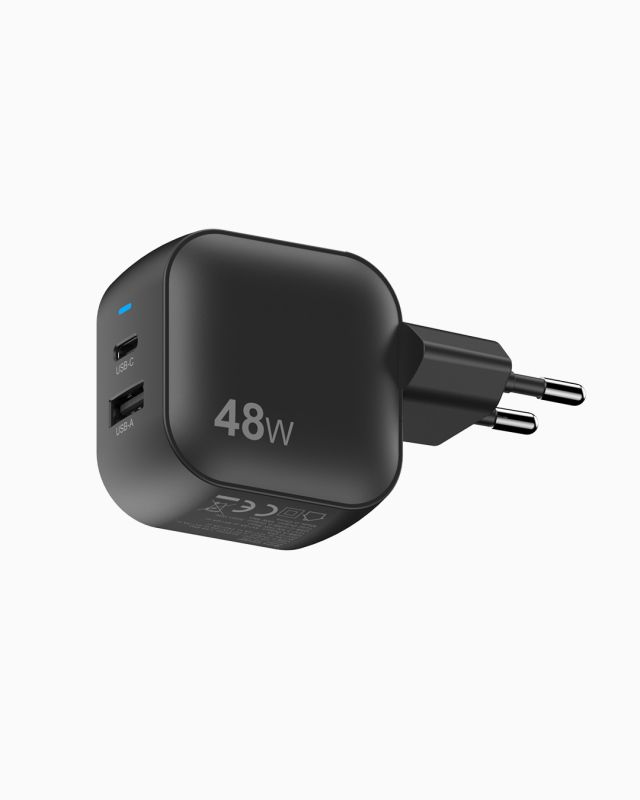
100W GaN Power Delivery Wall Charger
SpecificationDetailsMax. Power Delivery70 WattOutput Power70...
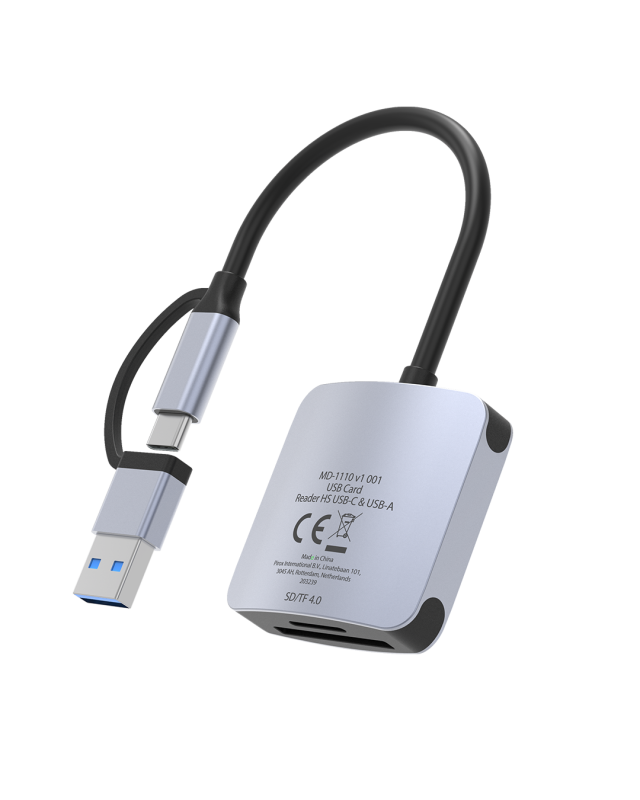
USB Card Reader High Speed USB-C & USB-A
SpecificationDetailsCable length15 cmMax. Card Speed312 MB/s...
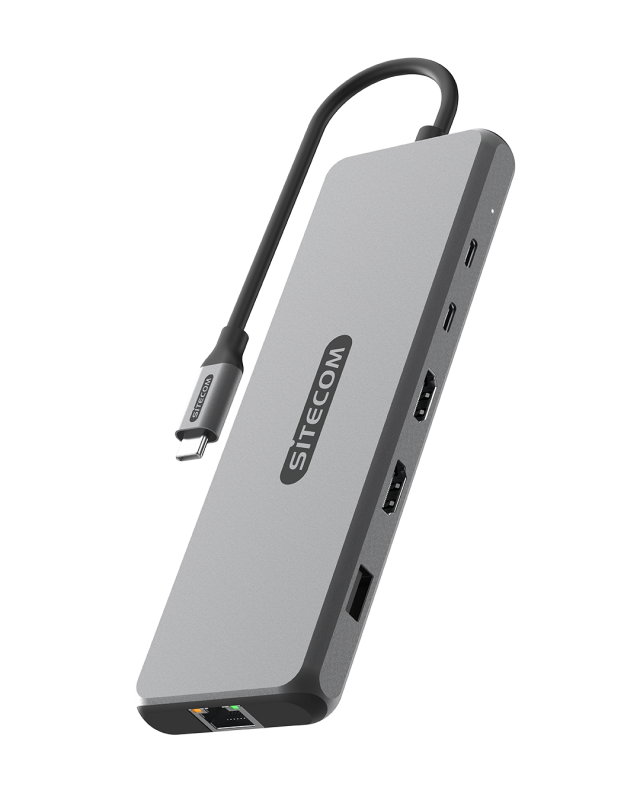
6 in 2 MacBook Pro Multiport Hub Silver
SpecificationDetailsMax. Power Delivery70 WattOutput Power70...